Structural Drying & Dehumidification in Hawthorne, CA
Drying the surface is not drying the structure. The air movers and LGR dehumidifiers pull moisture from wall cavities and slabs to a verified standard, monitored daily.
(424) 622-1809Tap our 24/7 Hawthorne dispatch line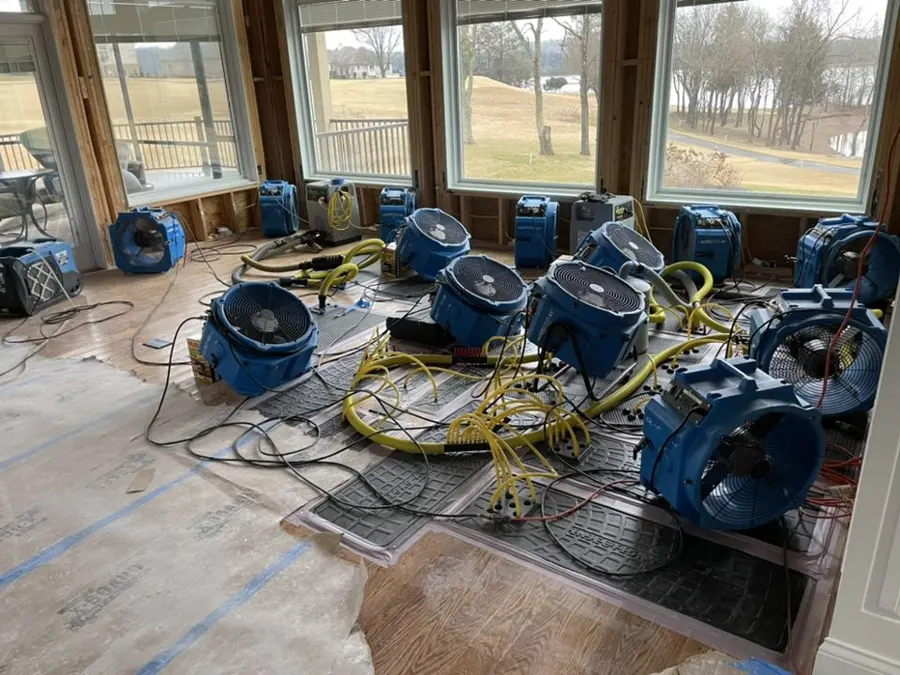 South Bay · 24/7
Why Hawthorne trusts this crew
Rapid local response
The response team answers 24/7 and the nearest South Bay crew heads out the moment you call, day or night, across Hawthorne.
IICRC S500 drying standard
Trained crews with truck-mounted extractors, air movers, and moisture meters dry to a verified standard, not a mop and a fan.
Claim-ready documentation
The loss is documented with photos and daily moisture readings, the paperwork an adjuster needs to move a claim.
Deep South Bay water knowledge
Storm roof leaks, slab leaks, aging post-war supply lines, and dense apartment stock, so the local pros know how water moves in a Hawthorne building.
What to do until the crew arrives
A few safe steps protect your property and your claim while a Hawthorne crew is on the way.
(424) 622-1809One call, day or night- Leave any drying equipment running continuously
- Keep windows and exterior doors closed so the dehumidifiers work
- Do not move air movers or unplug them to reduce noise
- Report any new damp spots or smells to the crew
What does structural drying & dehumidification cost in Hawthorne, CA?
In Hawthorne, CA, structural drying and dehumidification typically runs $1,500 to $6,500, based on how many rooms are wet, the materials involved, and how many days of monitored drying the loss needs.
One room
- A single wet room
- Air movers and a dehumidifier
- A few days of monitoring
Several rooms or a slab
- Multiple rooms or a wet slab
- Cavity and mat drying
- Extended monitoring
Whole-home dry-out
- Large or heavily saturated loss
- Full equipment package
- Longer drying schedule
Want a number for your own loss? Try the Water Damage Cost Calculator for a Hawthorne range.
How structural drying & dehumidification is handled in Hawthorne
Call & dispatch
A real person answers 24/7 and the nearest Hawthorne crew heads out with pumps, air movers, and moisture meters.
Assess the reach
The crew finds the source and the full spread of the water, including what soaked into slab, subfloor, and wall cavities.
Extract & dry
The extraction crew pulls the standing water, then runs air movers and dehumidifiers to a verified dry standard, not just the surface.
Verify & document
The drying team logs moisture readings until the structure is dry, then documents the loss with the photos and daily readings an adjuster needs.
Once the standing water is out, the real work of saving a home begins. Water hides in wall cavities, under flooring, in the subfloor, and deep in a concrete slab, and none of that dries on its own, especially in the coastal humidity of the South Bay. Structural drying is the science of pulling that trapped moisture out and proving the structure is dry with readings, not guesses. It is the difference between a home that is restored and one that grows mold behind the drywall a month later.
Why surface drying is not enough
A room can feel dry to the touch while the materials are still saturated inside.
- Drywall and framing hold water long after the floor looks dry
- Moisture trapped in a wall cavity has nowhere to escape without airflow
- A wet slab releases moisture slowly for days
- Coastal humidity slows natural drying and keeps materials damp
Drying a water-damaged structure quickly is what keeps a small loss from becoming a big one, and the CDC stresses removing water and drying materials fast after any flood.
How the structural drying works
Local crews build a drying system tuned to the materials and the size of the loss, then monitor it.
- The restoration crews place air movers to sweep moisture off surfaces and into the air
- The South Bay crews run low-grain refrigerant dehumidifiers to pull that moisture out of the space
- The crews open cavities, use injection drying, and mat systems for slabs and hardwood where needed
- The crews log readings daily until the structure is verified dry
Structural drying is the second pillar after water extraction, and it finishes nearly every job, from a burst pipe to a slab leak. For homeowners, the Ready.gov flood recovery guidance reinforces why fast, thorough drying matters.
Had water extracted but worried it is still wet inside the walls? A surface that feels dry can hide a soaked cavity. Call and a Hawthorne crew will set a proper drying system, day or night.
☎ Call (424) 622-1809Why proper drying protects the whole home
Drying to a verified standard is what actually stops the damage and the claim from growing.
- It prevents the mold that follows trapped moisture in a warm cavity
- It saves materials that would otherwise have to be torn out later
- It protects framing and flooring from warping and long-term rot
- The documented readings give your carrier proof the job was done right
South Bay Water Restoration dries to a number, not a feeling, so you can rebuild with confidence.
Leave the equipment running
If local crews have set air movers and dehumidifiers, let them run continuously, even though they are loud. Turning them off overnight slows the drying and lets moisture settle back into the materials. The crews tell you exactly when the readings say it is safe to shut them down.
From central Hawthorne across the whole South Bay
Local crews respond across every Hawthorne ZIP, day or night.
Local crews cover the whole of Hawthorne and the South Bay, day or night, with rapid local response.
Coverage runs across Hawthorne, Lawndale, Lennox, El Segundo, Gardena, Inglewood, Del Aire, and the South Bay.
See every neighborhood and ZIP coveredRelated restoration services
Structural Drying & Dehumidification questions, answered
Water in your building right now?
Do not wait for the FAQ. A South Bay crew is standing by 24/7 in Hawthorne.
(424) 622-1809 Call nowHow long does structural drying take?
Most homes dry in 3 to 5 days, longer for a saturated slab, lath and plaster, or hardwood. The restoration crews monitor with moisture meters and do not remove the equipment until the readings confirm the structure is dry, because coastal humidity slows natural drying.
Why can't I just use fans from the hardware store?
Household fans move air but do not remove moisture from the space, so the water just evaporates and settles back into other materials. Structural drying pairs high-velocity air movers with dehumidifiers that pull the moisture out entirely, and it is measured to a standard.
What is a verified dry reading?
It is a moisture measurement that shows the material has returned to its normal dry baseline, compared against an unaffected area. The South Bay crews track those readings daily so the crews can prove the wall, subfloor, or slab is truly dry rather than just dry on the surface.
Do I have to leave the equipment running the whole time?
Yes. Air movers and dehumidifiers work best running continuously, even overnight. Shutting them off slows the drying and can let moisture settle back into the materials, extending the job. Local crews tell you when the readings say it is safe to stop.
Will drying prevent mold?
Fast, thorough drying is the single best way to prevent mold, because mold needs trapped moisture to grow. Drying wet materials within a day or two and proving they are dry removes the conditions mold needs, which is exactly what structural drying is built to do.
A Hawthorne crew is standing by
Water sitting means damage spreading. Call South Bay Water Restoration and a crew heads out across the South Bay, day or night.
(424) 622-1809Call now, a South Bay crew picks up